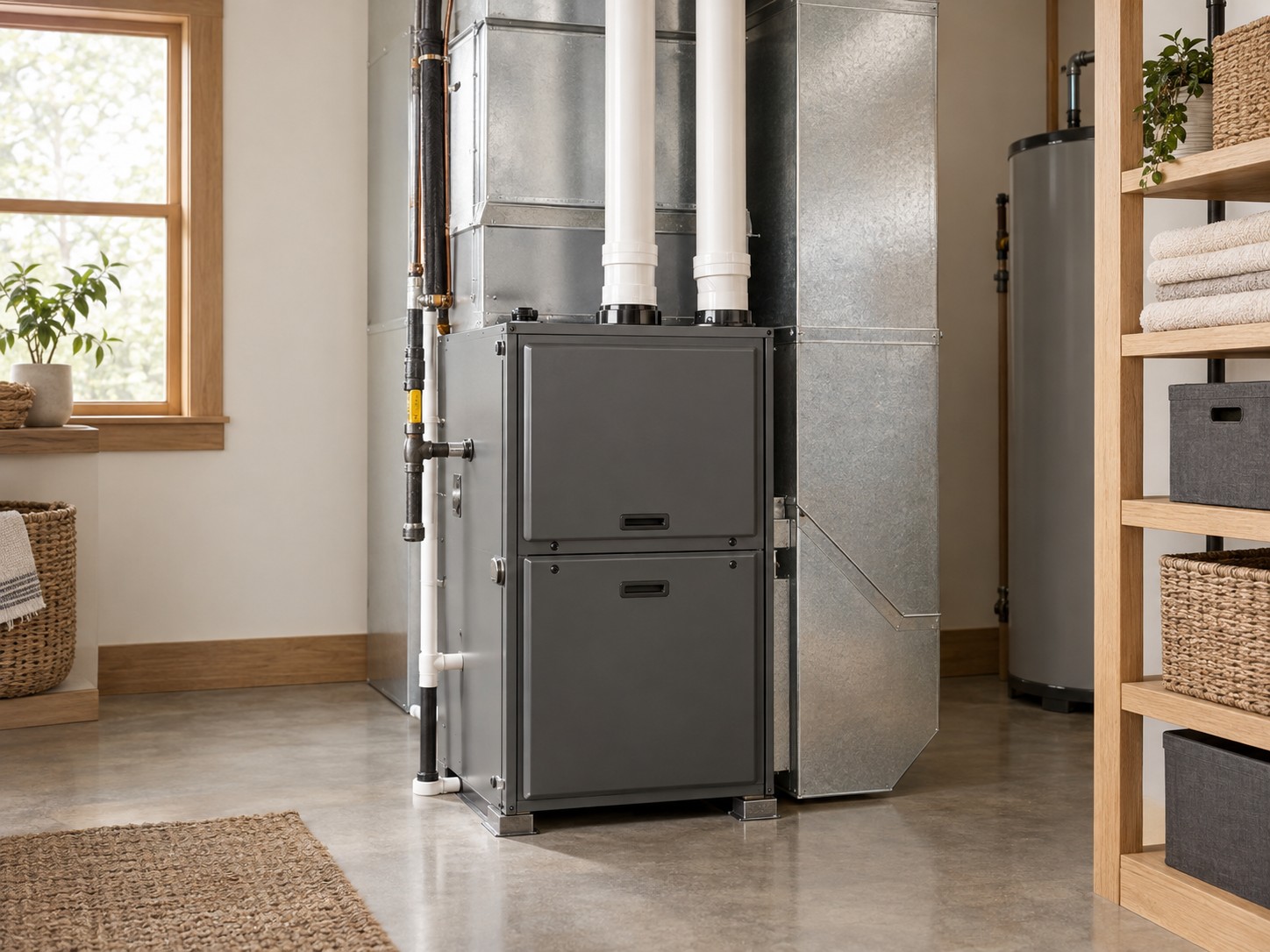
Furnaces & Heating
Heat that reaches the rooms you use.

Comfort belongs in every room. Explore heating, cooling and system-care options for your Allendale home or business.
A clear conversation. A considered next step.
START WITH WHAT YOU NOTICE
Choose by equipment, concern or project. Each guide explains what to notice, what to ask and which related options may be worth discussing.
Heat that reaches the rooms you use.
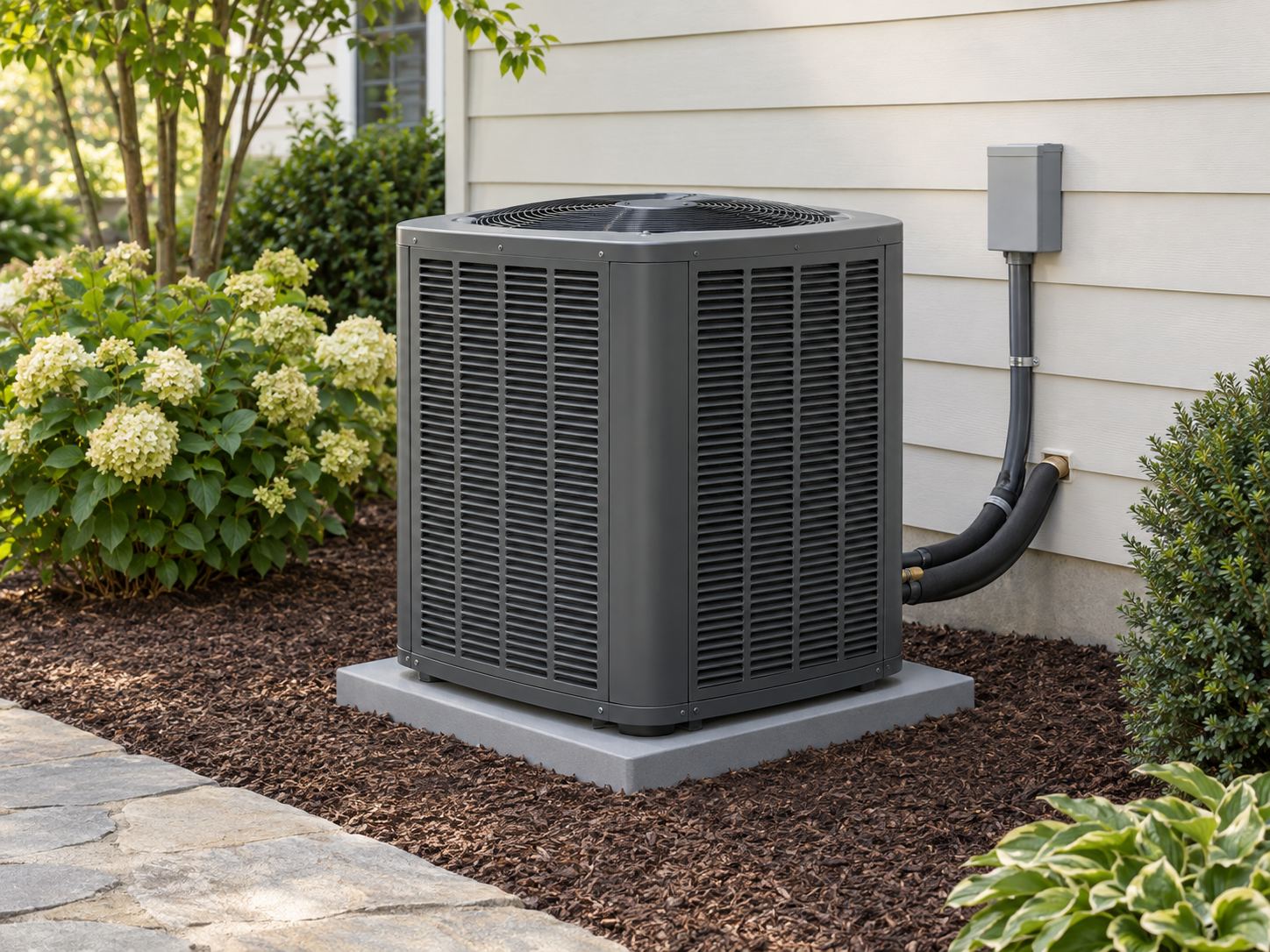
Cooling that feels calm, not constant.
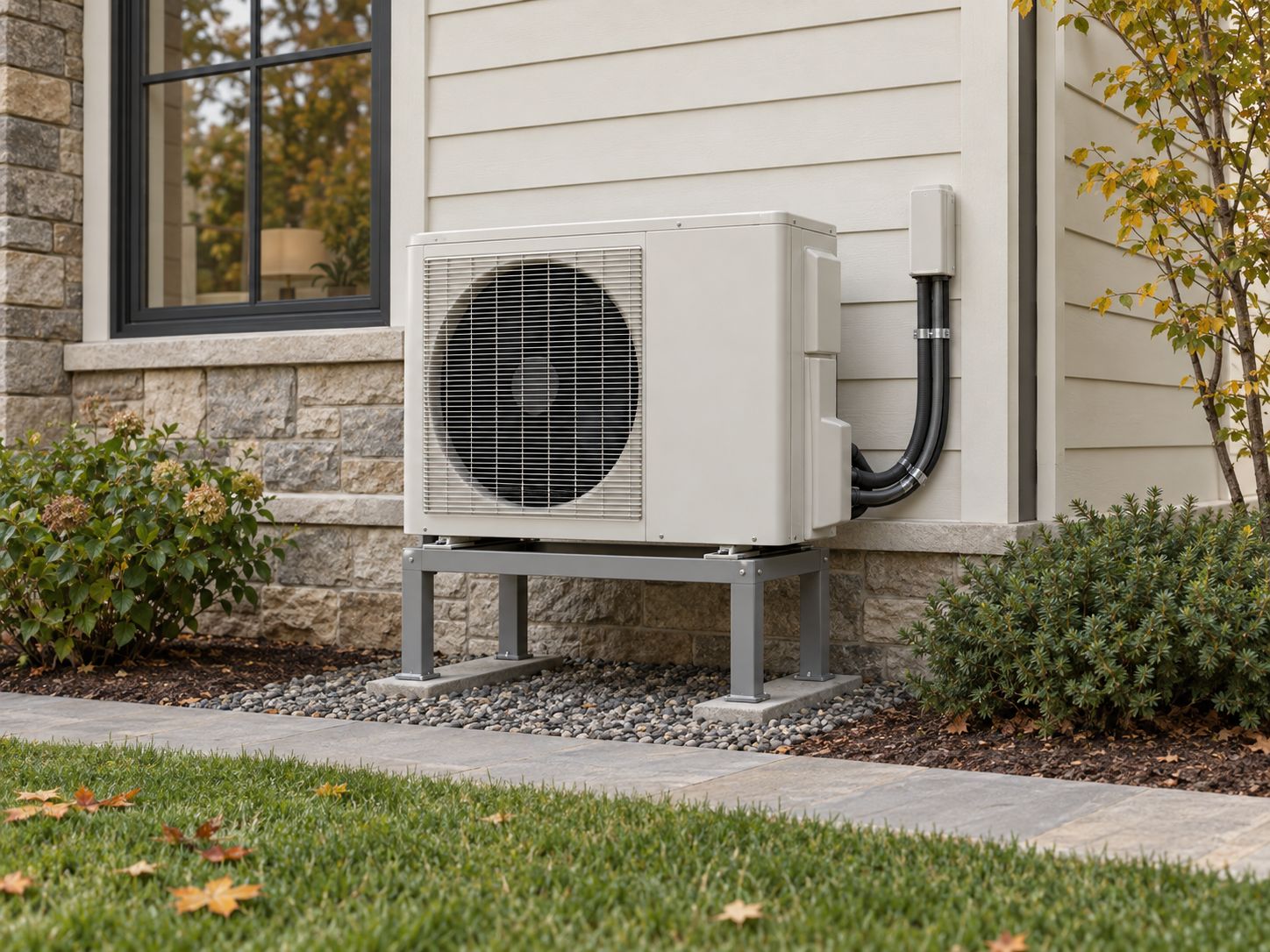
One system. A more considered comfort plan.
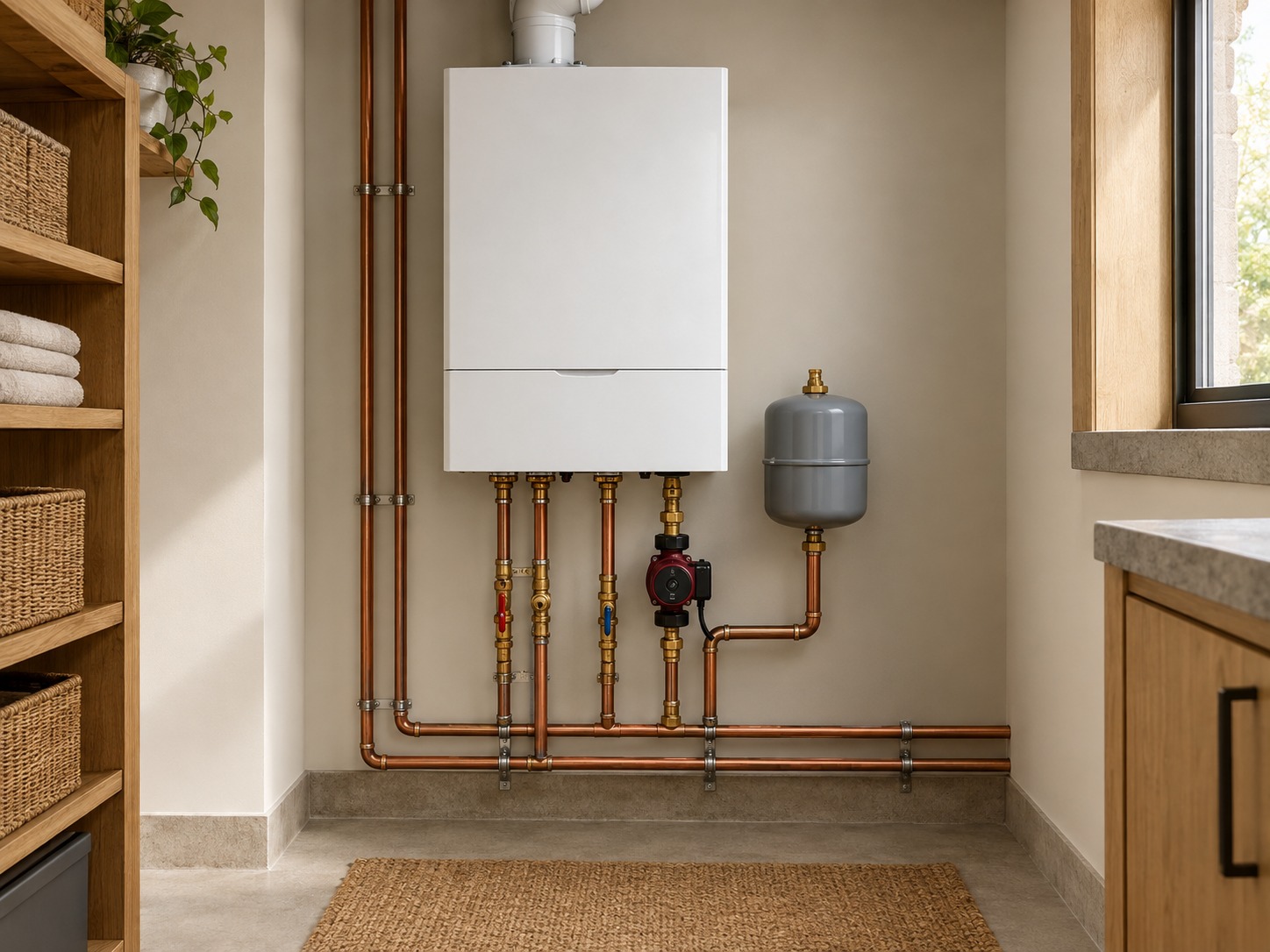
Steady warmth starts with the whole system.
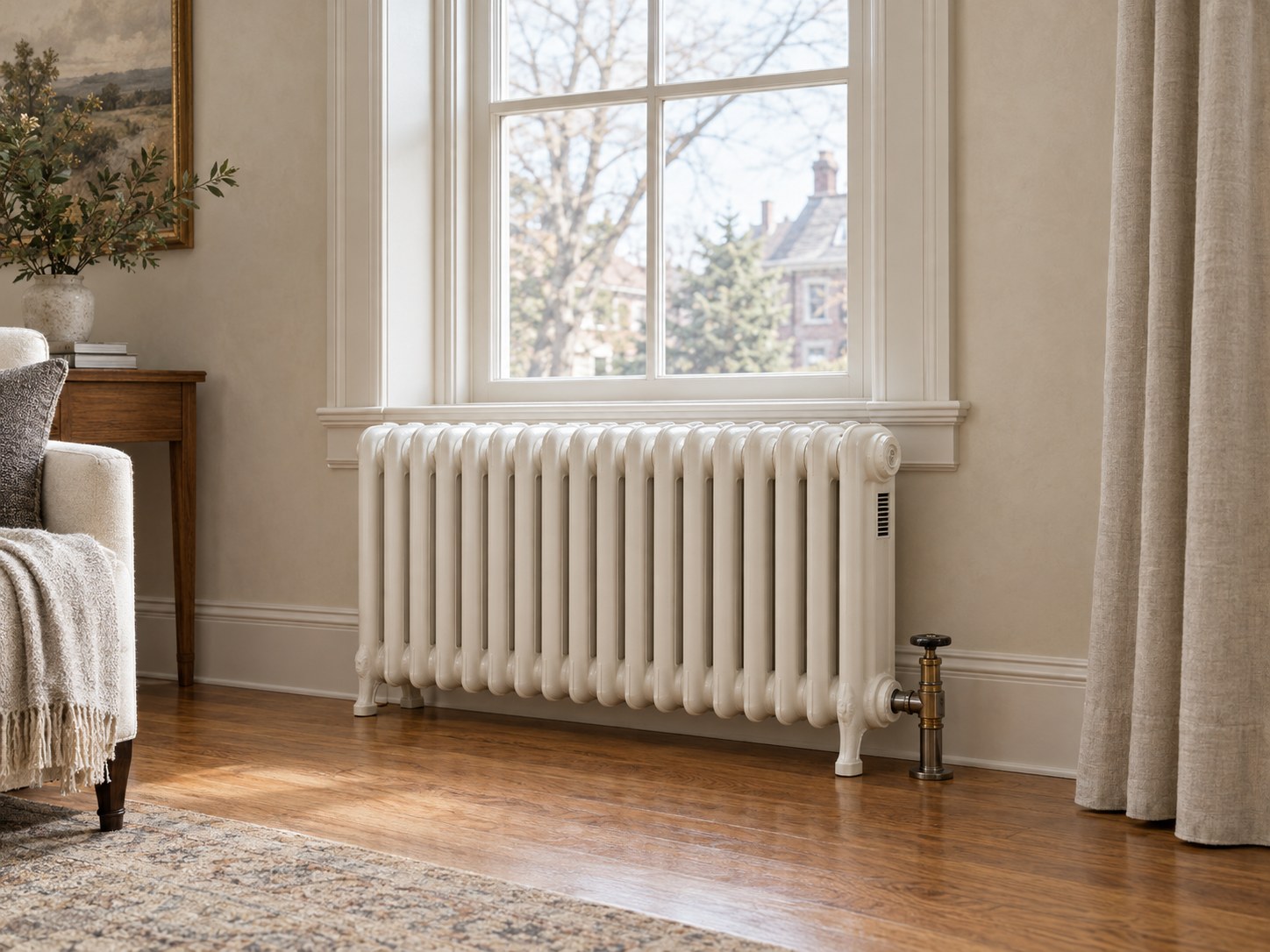
Respect the system. Restore the balance.
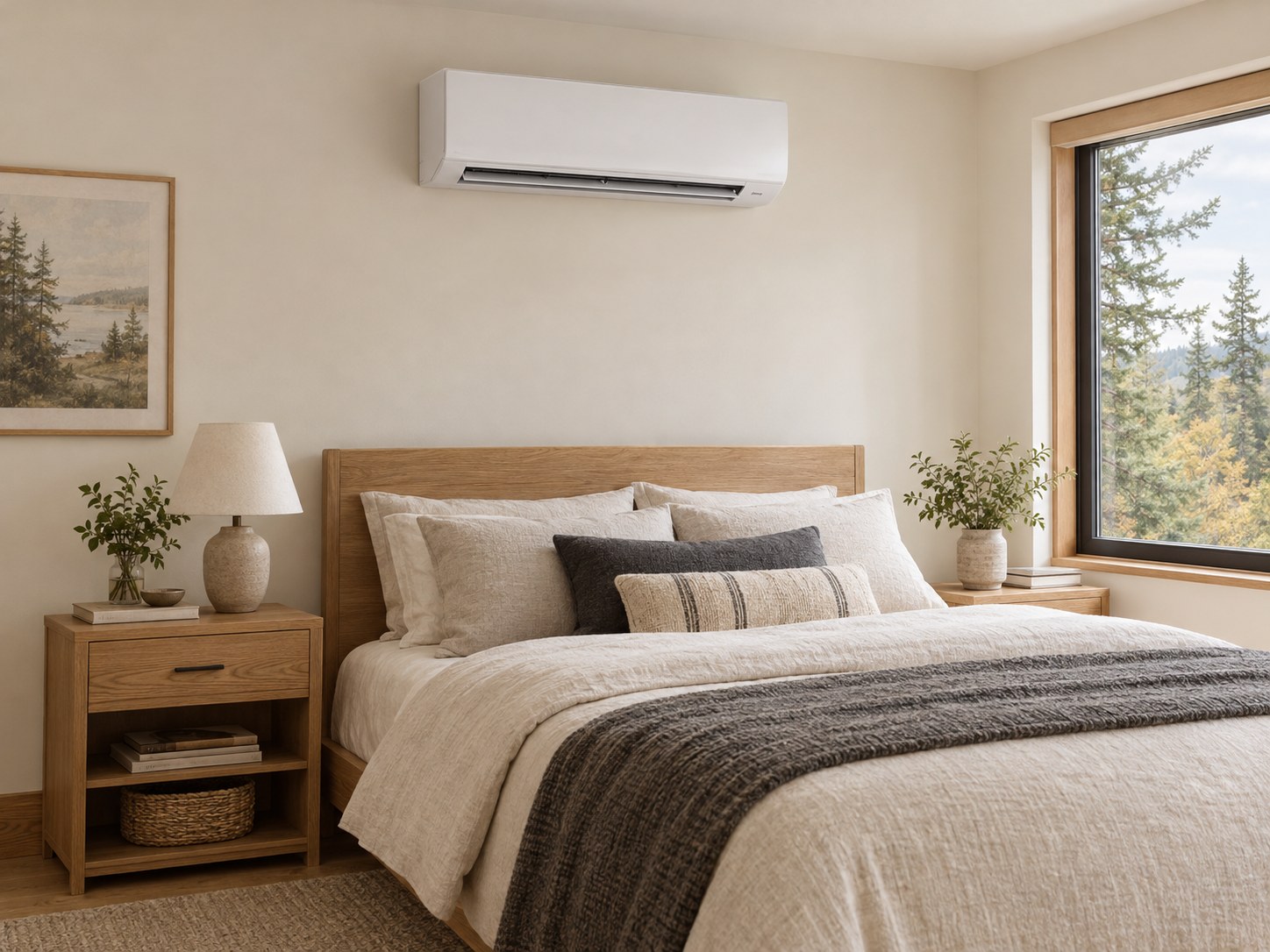
Comfort for the room that needs its own answer.
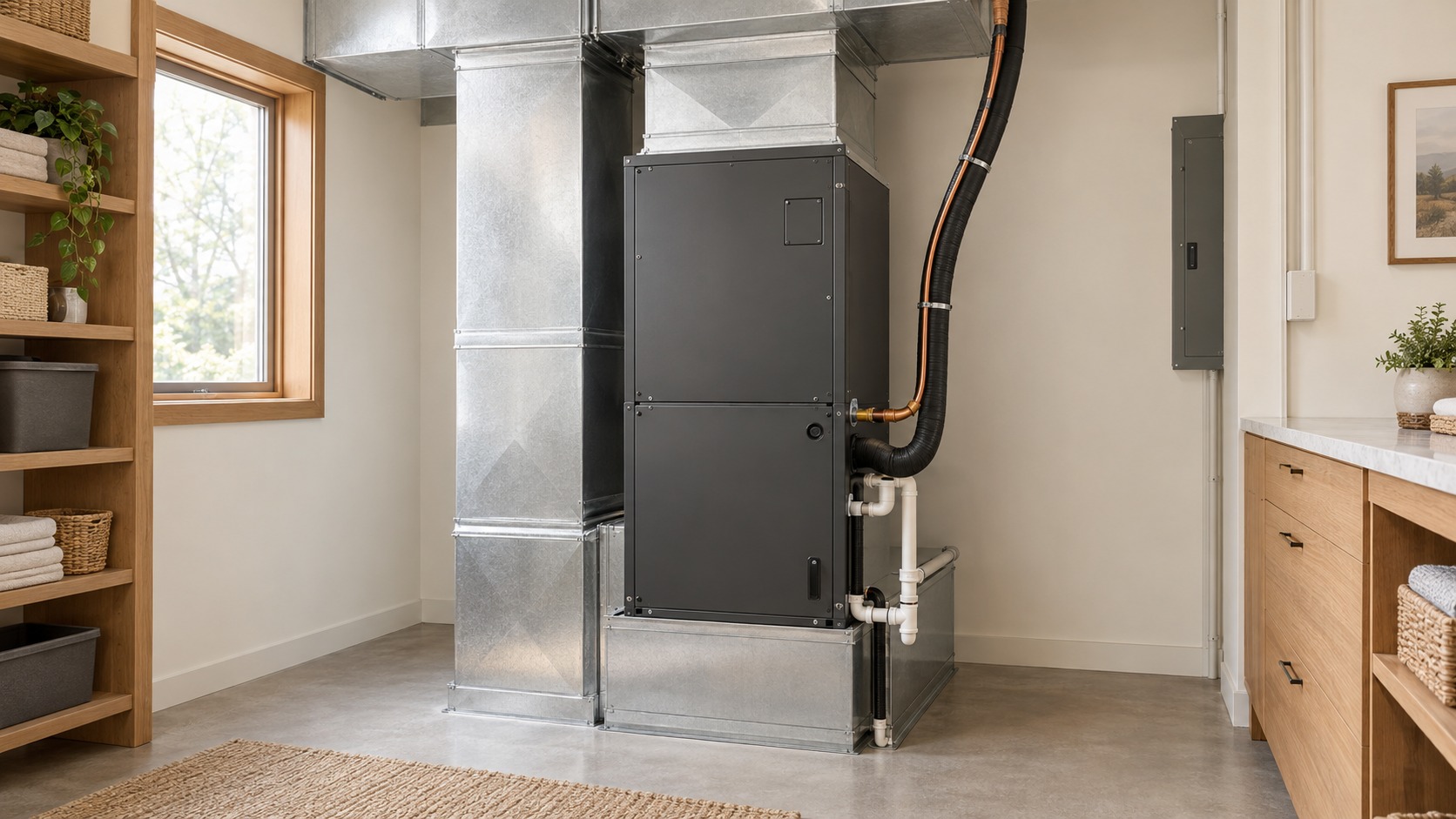
A better decision begins with a complete scope.
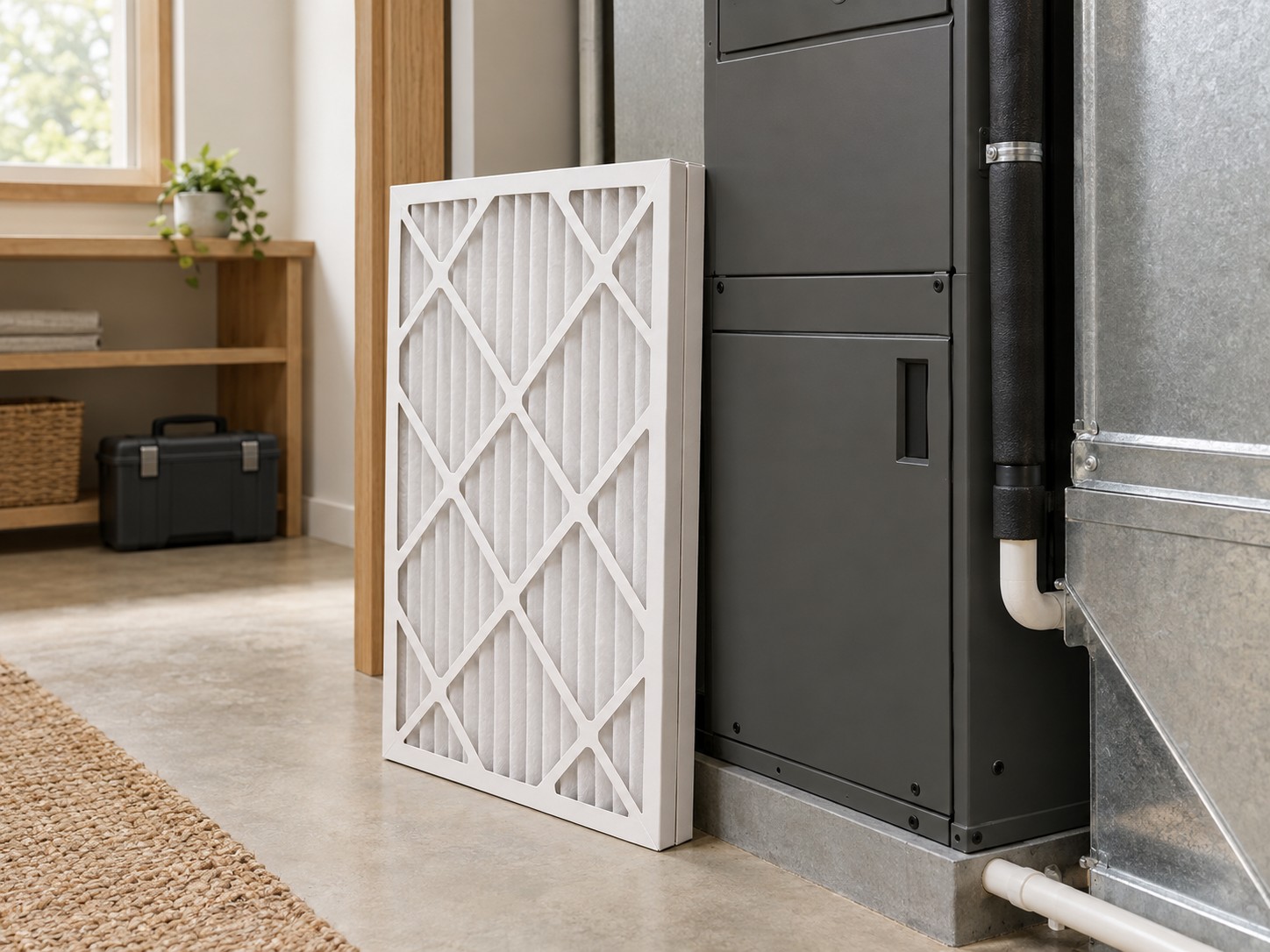
Care for the seasons before they arrive.
A fresher room starts with the right questions.
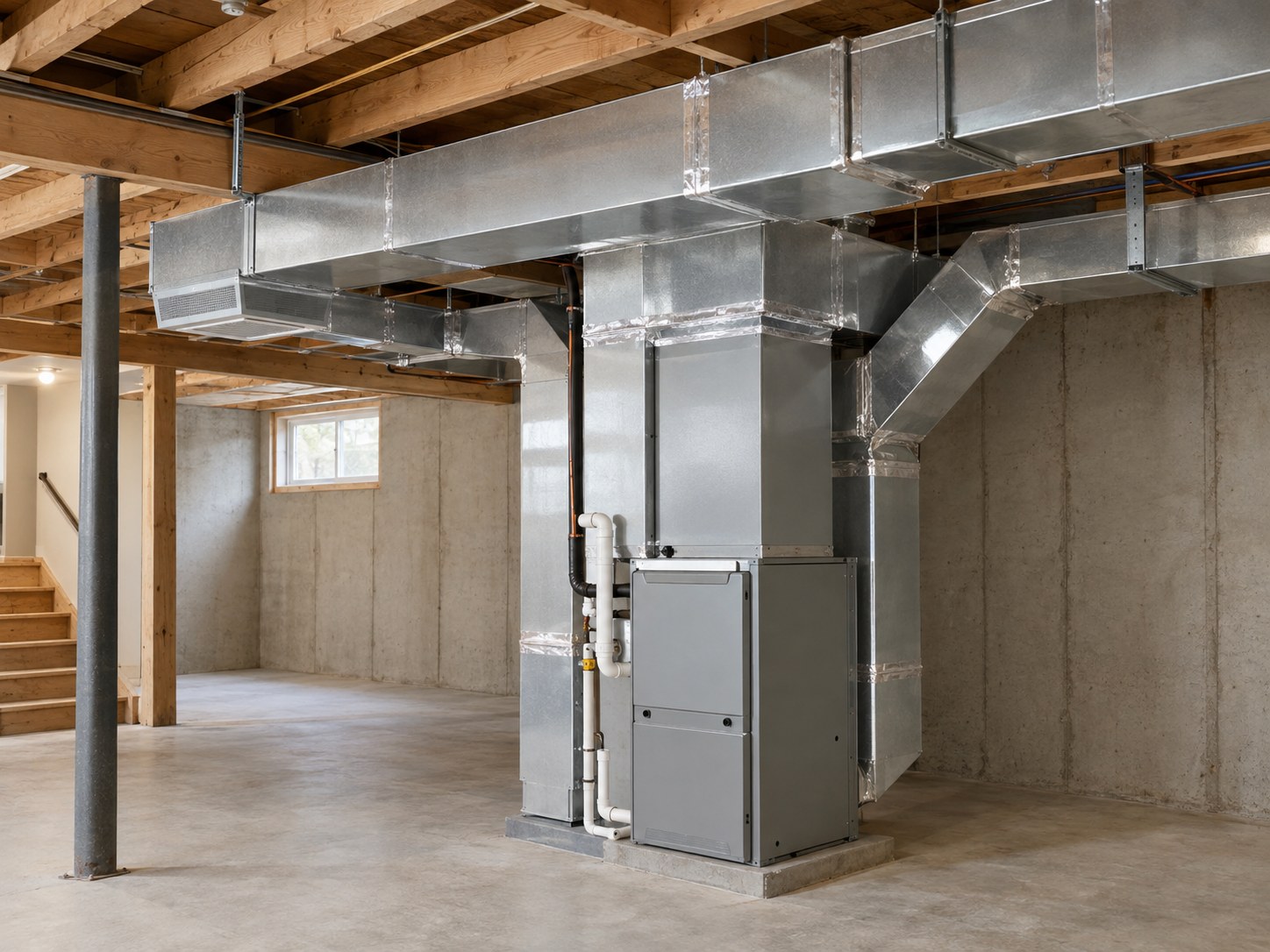
Comfort should not stop at one room.
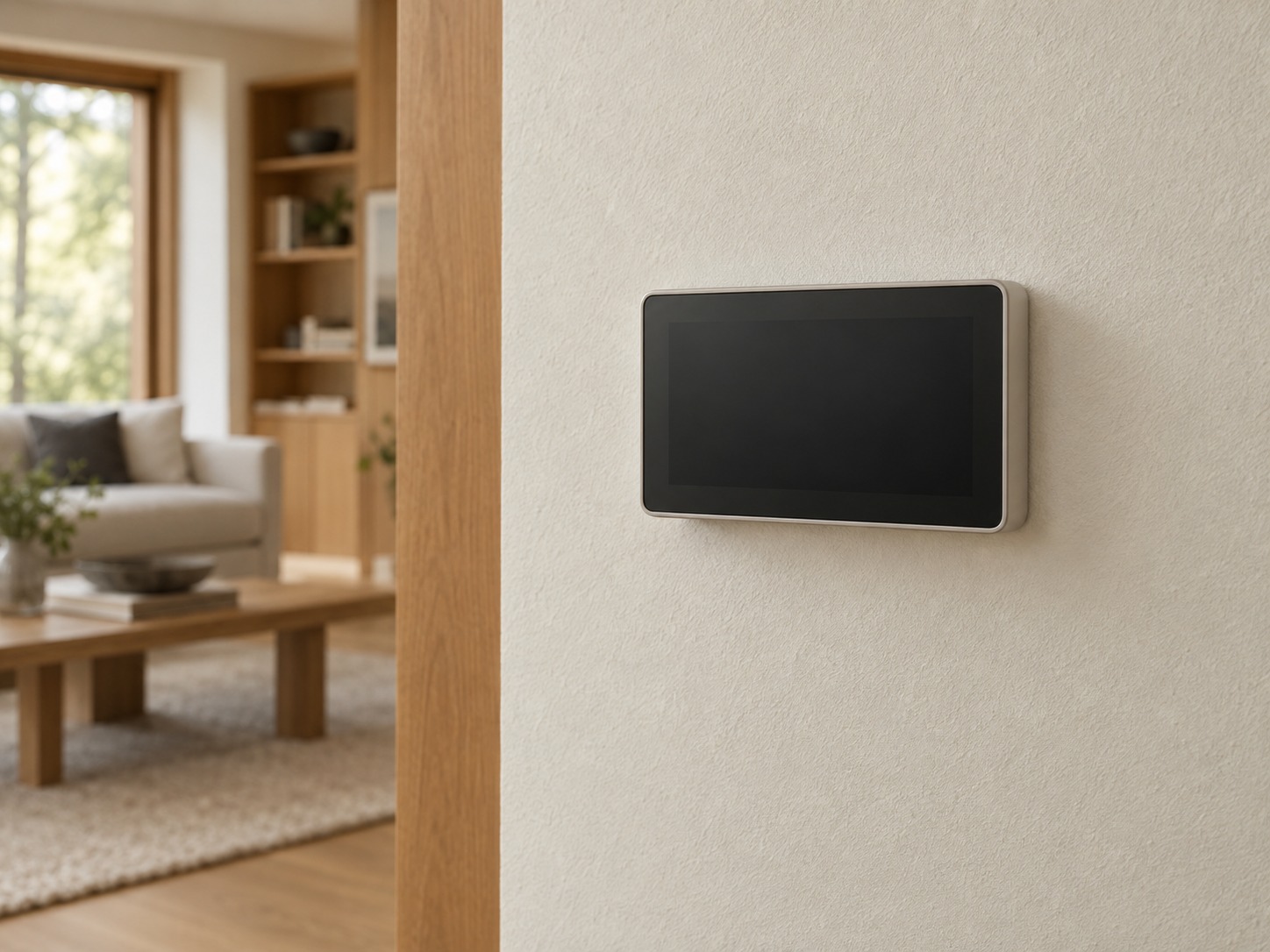
Simple controls. Thoughtful compatibility.
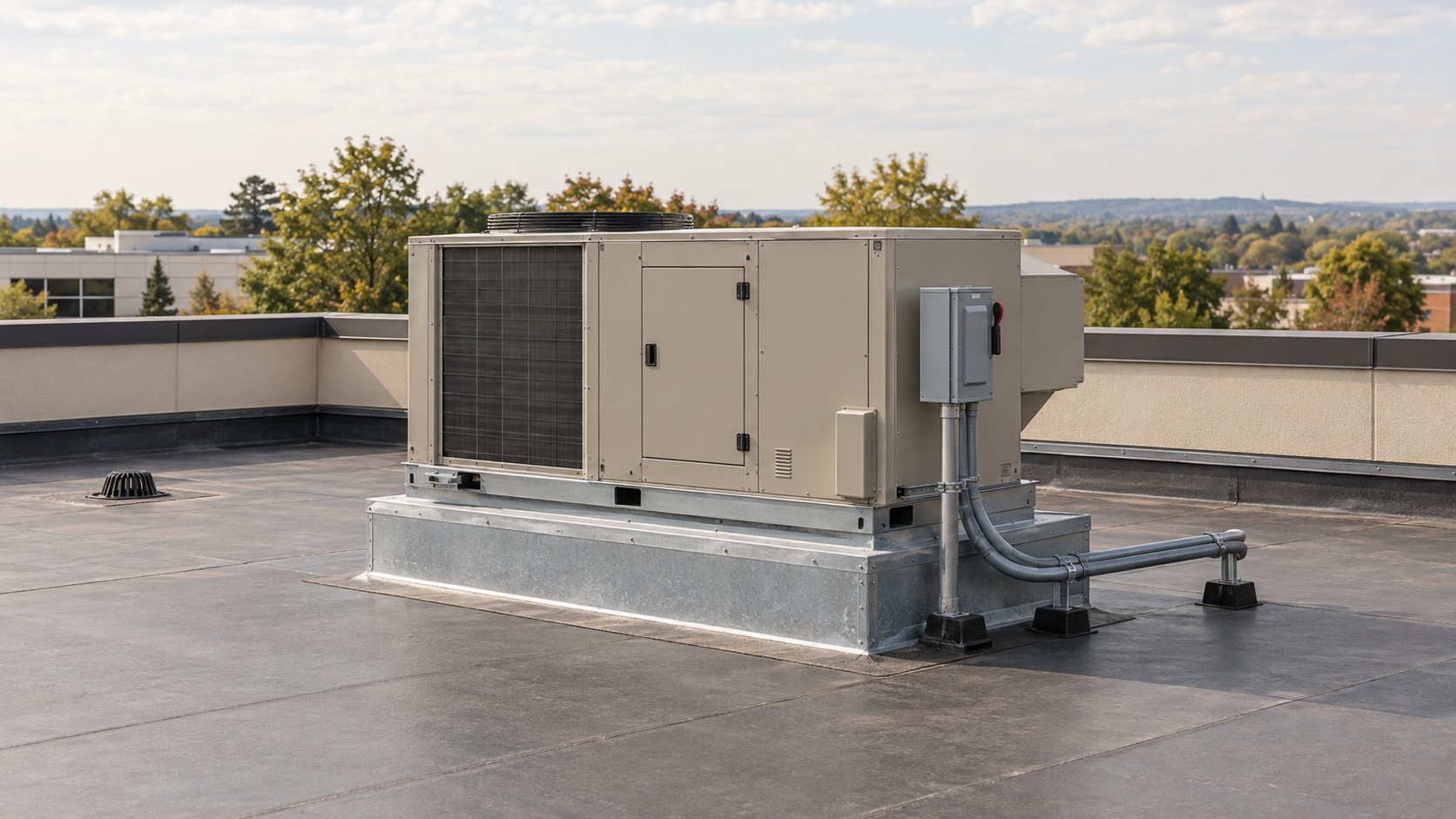
Plan comfort around the way your business works.
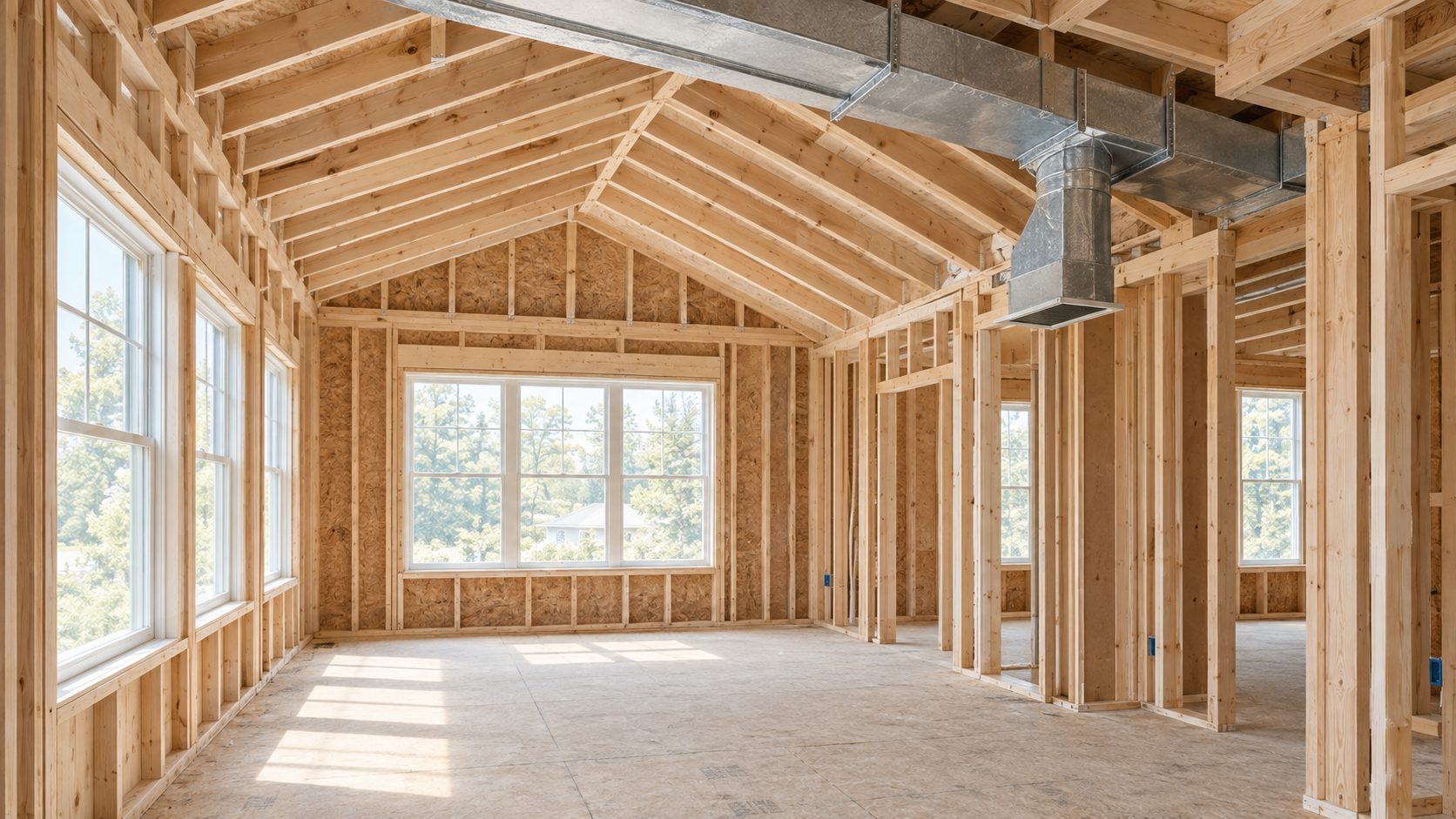
Make comfort part of the plan, not an afterthought.
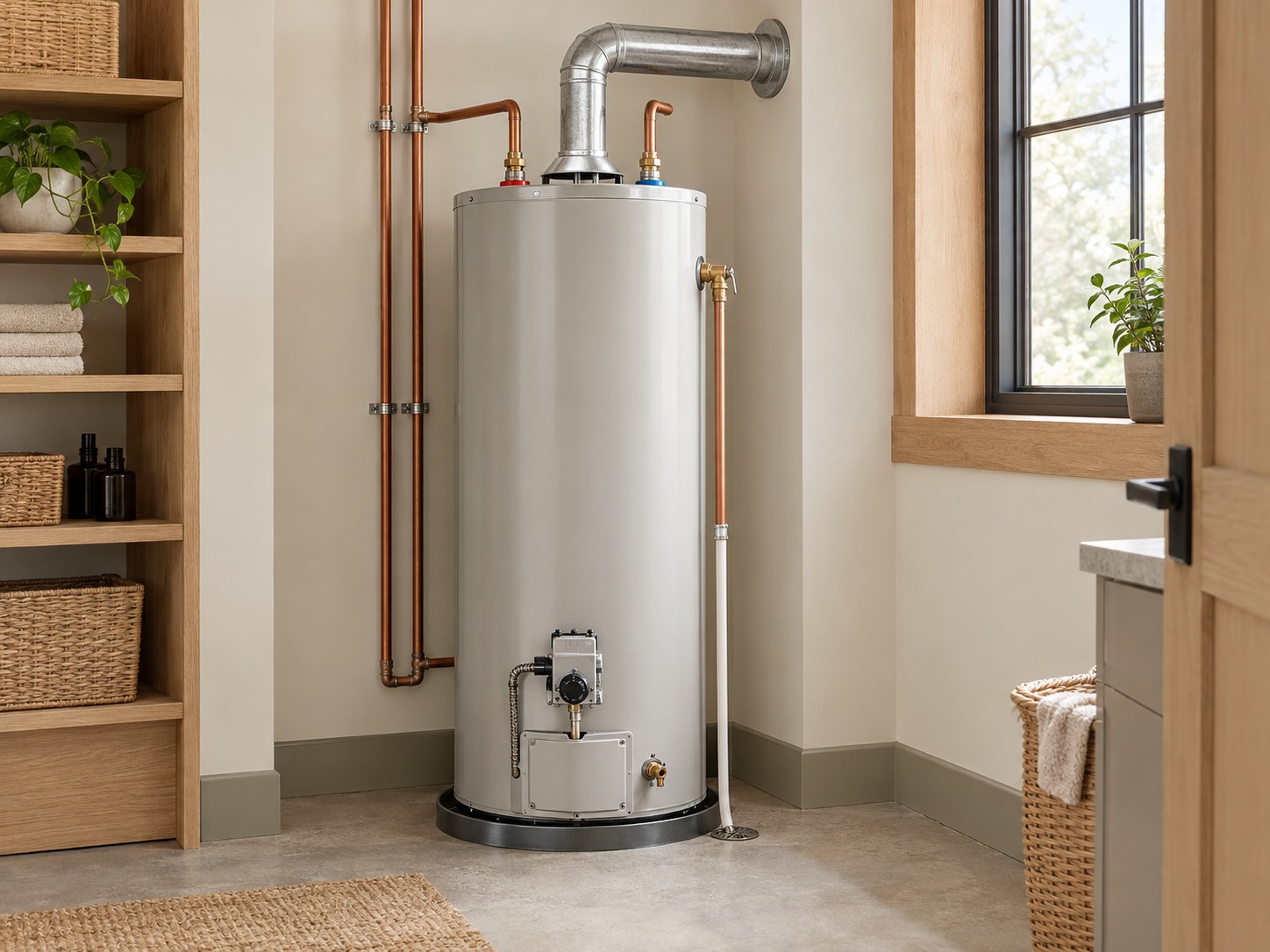
Hot-water planning with the whole home in mind.
ROOM-BY-ROOM COMFORT
Steady temperatures depend on more than a setting. Equipment, controls and the way air or heat reaches a room all matter.
If one room feels different, explore airflow and zoning or room-specific ductless options before assuming you need a larger system.
A CLEARER PATH TO COMFORT
01
Note the rooms affected, when it began and your equipment type if known. You do not need a diagnosis to start.
02
Confirm the assessment, service availability and what information would help. A request is not a booked visit.
03
Ask what each recommendation addresses, what is included and how pricing and timing will be confirmed.
Compare condition, safety findings, repair history and the full installation scope. Equipment age alone is not the whole answer. Our repair-or-replace guide helps organize the conversation.
Describe what you notice. A safely taken model photo can help, but is not required to begin.
Call to discuss availability rather than wait for an online reply. For gas, smoke or a carbon monoxide alarm, leave and contact emergency services from a safe place. See urgent HVAC guidance.
Independent guidance: ENERGY STAR maintenance checklist. These resources are informational, not endorsements.
YOUR NEXT STEP
Tell us what changed, which rooms are affected and where the equipment is located. We’ll discuss scope and availability before any work is arranged.
A reliable service discussion starts with the facts you can observe. Tell an HVAC contractor how the home feels, when the concern occurs and what equipment you have if known. For heating and cooling repair, those details matter more than a guessed part failure.
Heating concerns should be considered in the context of the whole system. Questions about heating repairs can help distinguish the work involved in furnace repair from the equipment and circulation issues addressed through boiler repairs.
If the house is not cooling as expected, ask about the assessment for air conditioner repairs. For a planned project, compare air conditioning installation with mini-split installation using the layout, comfort goals and installation requirements of the space.
An informed equipment decision includes more than purchase price. When discussing heating and cooling system replacement, review what changes, what stays and how routine system maintenance applies to the system you choose.
Allendale HVAC serves Allendale (Bergen County) and nearby Ramsey, Waldwick, Saddle River and Wyckoff, NJ.
Allendale's housing spans a long stretch of history, from pre-war houses to late-century colonials. Per the Census Bureau's ACS 2019-2023 estimates, the median home was built in 1966; about 57% of houses predate 1960 and roughly 18% predate 1940. With about 2,500 housing units, it is a small borough, but the age spread means equipment varies widely from street to street.
Utility gas heats about 91% of occupied homes, oil roughly 5% and electricity about 3%. PSE&G supplies natural gas to Allendale, while a different company provides electric service.
At around 5%, oil heat is somewhat more common here than in many nearby boroughs. Converting from oil to gas usually involves confirming gas availability on the street, installing a new gas line and meter, venting or lining the chimney for the new appliance, and either removing the oil tank or abandoning it according to local requirements. Some owners instead pair a heat pump with the existing boiler.
NOAA's Little Falls station (1991-2020 normals) is the nearest with a full record, showing about 5,300 heating degree days a year, a January mean of roughly 30.5°F and typical July afternoon highs of 86-87°F. Allendale, farther north and higher, generally runs a bit colder in winter.
New Jersey considers the replacement of an existing heating appliance or air conditioner with one of matching capacity to be minor work. Allendale's construction code office must receive notice before the work starts and the complete permit application within five business days afterward; an inspection is part of the process. An oil-to-gas conversion typically needs more than a minor-work filing, so ask your contractor which permits apply.
PSE&G gas customers who own their house can get instant rebates on qualifying efficient gas equipment through participating contractors. Ask your electric utility separately about heat pump incentives.
Expect a check of safety controls, ignition, burner and flue, plus filters and airflow on forced-air systems. Ask for readings and a written summary.
Main cost drivers: fuel conversion, chimney work, oil tank handling, duct or piping changes and electrical capacity. Persistent breakdowns or safety concerns favor replacement.